
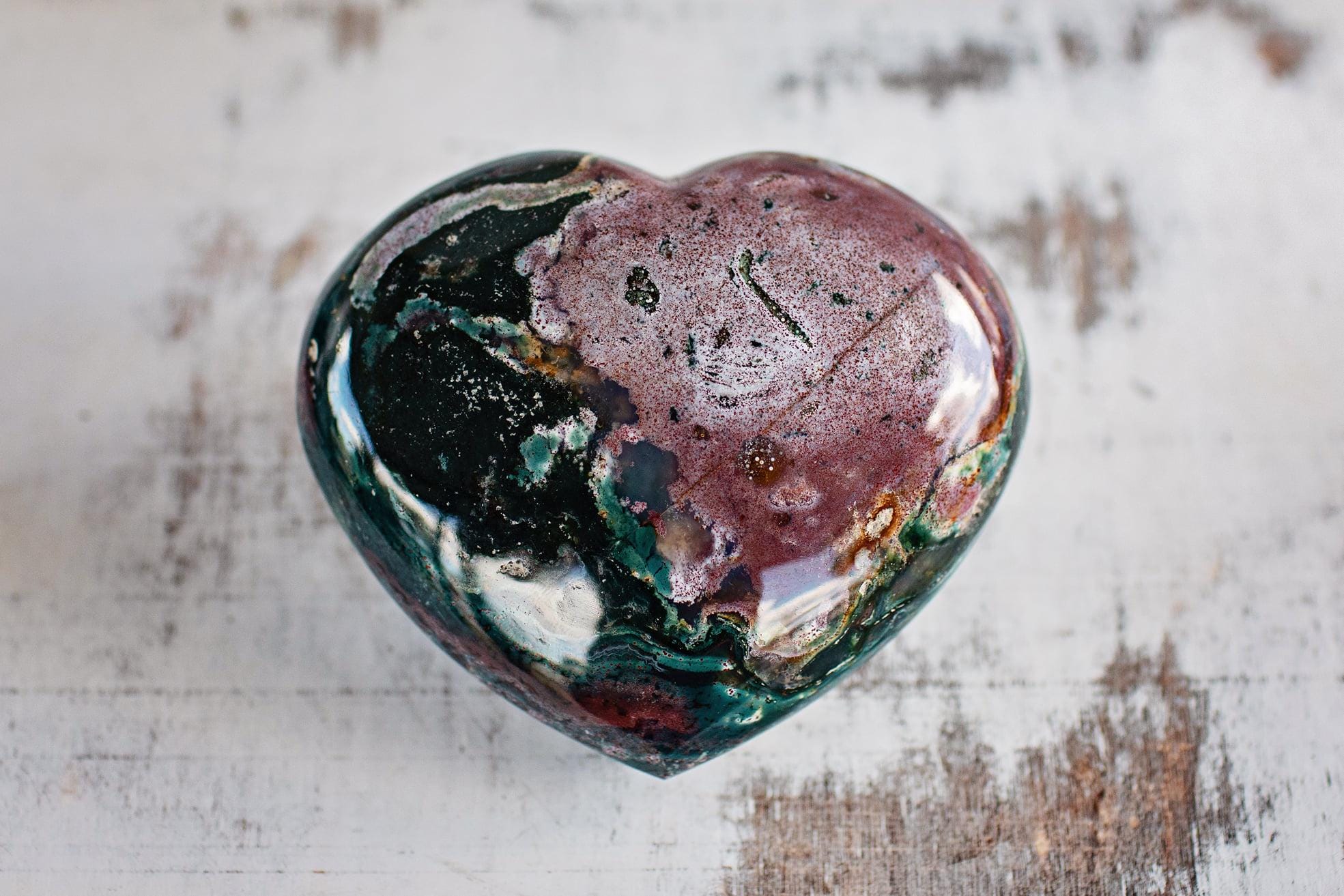
Crystals have fascinated humans for thousands of years. They appear in ancient tools, spiritual traditions, healing practices, and modern technology alike. Somewhere along the way, many people began asking the same quiet question: Do crystals carry a frequency?
The answer depends on how deeply you want to look — but in many ways, yes, they do.
The Physical Nature of Crystals
At their most basic level, crystals are highly ordered structures. Their atoms repeat in precise, stable patterns, forming a lattice that remains consistent over time. This structure is why certain crystals, especially quartz, are used in watches, radios, and electronics. When pressure or energy is applied, quartz vibrates at a predictable frequency — a phenomenon known as piezoelectricity.
From a scientific perspective, crystals are not passive objects. They respond to energy, pressure, and movement in measurable ways. Stability is part of their nature.
The Idea of Frequency Beyond Measurement
When people speak about crystal “frequency,” they often mean something subtler than measurable vibration. Across cultures and traditions, crystals have been viewed as steady, grounding presences — objects that hold consistency in a world defined by change.
Humans are dynamic systems. Our emotions fluctuate, our thoughts shift, our energy rises and falls throughout the day. Crystals, by contrast, are ancient, slow, and structurally stable. Many people believe that simply being near something so consistent can influence how we feel — not by forcing change, but by offering a pattern of stillness to return to.
In this way, crystals are often described not as energy producers, but as amplifiers or reflectors. They provide a steady point of reference.
Why Different Crystals Feel Different
Crystals form under vastly different conditions. Some grow slowly over millions of years. Others form under intense heat or pressure. Some develop inclusions, fractures, or dramatic color shifts. These differences matter — not just geologically, but symbolically. Humans instinctively respond to story and context.
A crystal shaped by pressure may feel grounding. A clear, slowly formed crystal may feel calming or clarifying. Whether you interpret these responses as energetic, psychological, or intuitive, the experience itself is real to the person having it.
Crystals carry their history in their structure.
Frequency Without Mysticism
Believing in crystal frequency does not require belief in anything supernatural. Crystals can affect us through very real mechanisms: They draw our attention and help us focus.
They create ritual, which helps the mind mark intention and transition. They offer beauty, which is known to calm the nervous system. They provide a physical anchor for reflection and presence.
In this sense, crystals function as reminders — of stillness, intention, or meaning. And reminders can be powerful.
A Quiet Perspective
Crystals are not cures. They don’t replace inner work, reflection, or personal responsibility. They don’t impose change or override free will.
What they offer instead is consistency.
In a world that moves quickly and often feels overwhelming, holding something ancient and stable can be grounding. Sometimes the value of crystals isn’t in what they do, but in what they allow — a moment of pause, focus, or connection.
And sometimes, that’s enough.